What an Electric Barrel Sauna Actually Costs to Run: My Real Bills After 3 Years
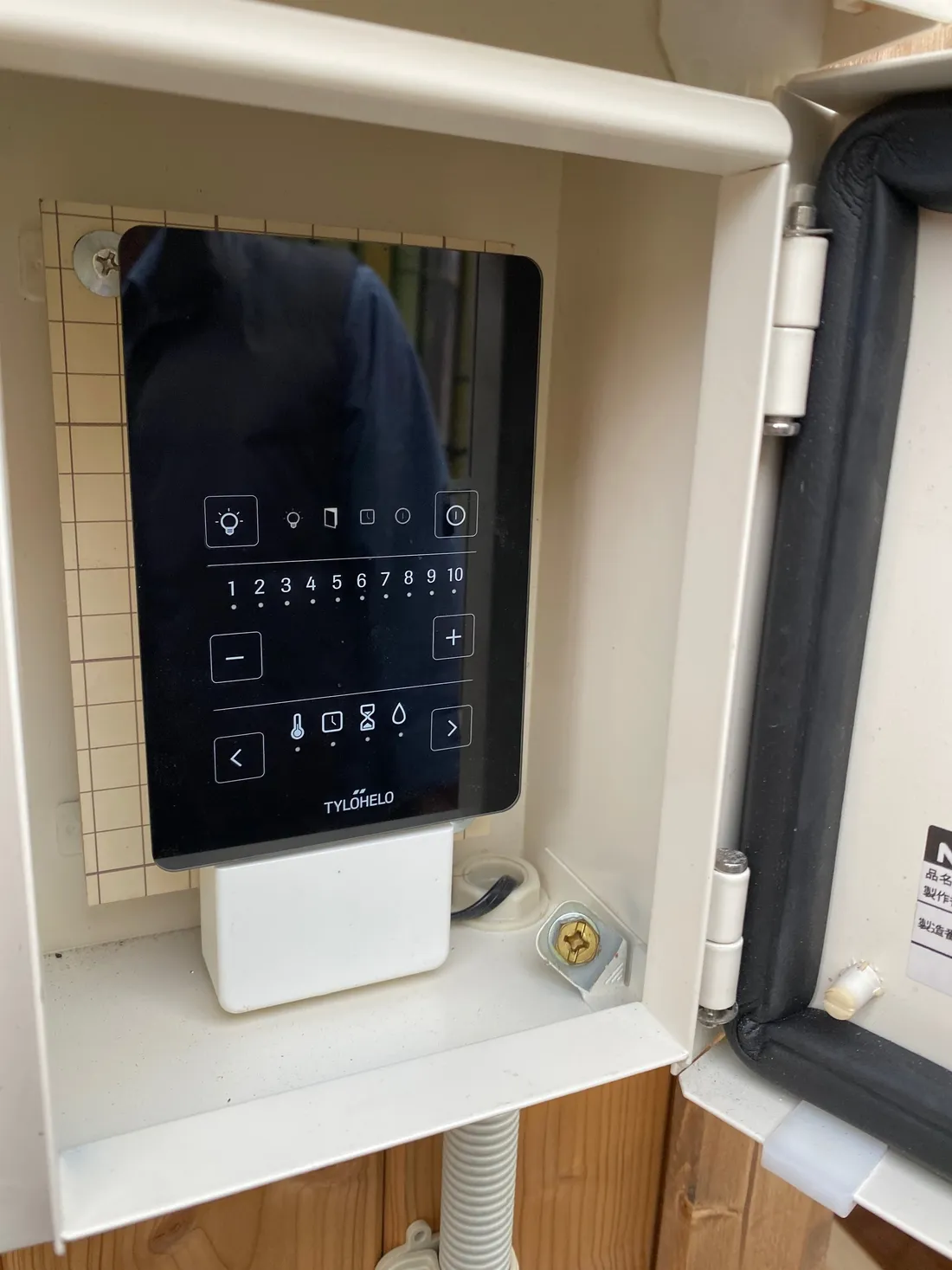
The short version: My electric barrel sauna (Tylö Pure heater, sessions at 90°C) adds roughly ¥3,000 (~$20) per month to our electricity costs at 1–2 sessions a month — and that figure includes the higher base rate we pay for the upgraded electrical capacity. Divided across that few sessions, it works out to roughly $10–20 each, most of which is the fixed base rate I’d pay either way — about the cost of a single entry at a Japanese sauna facility, except I don’t have to drive anywhere. Here’s the honest math, including the part most cost articles skip.
The number everyone asks about
“Electric saunas are expensive to run” is one of the most repeated claims in sauna forums — usually by people deciding between electric and wood-fired. Three years of bills say: at hobby frequency, it’s overblown.
My real-world figures:
| Item | Figure |
|---|---|
| Usage | 1–2 sessions/month |
| Typical session | Heat-up (~20–30 min) + rounds at 90°C |
| Monthly cost impact | |
| Per-session cost | ~$10–20 (mostly fixed base rate) |
| Comparison | One Japanese sauna facility visit: $10–20 |
One more variable behind these numbers: my heater is an 8kW unit, oversized for this barrel. A bigger heater draws more power while running — but it also reaches temperature faster, so it runs for less time. In my experience those two effects largely cancel out at hobby frequency. Don’t assume a smaller heater automatically means a smaller bill; a weak heater that has to run for 45 minutes is not obviously cheaper than a strong one that runs for 20.
The reason it stays modest: the heater only draws serious power while it’s actually on — heat-up plus session time, maybe 90–120 minutes total. It’s not a refrigerator quietly billing you around the clock.
The hidden cost most articles skip: the base rate
Here’s the part I want to be precise about, because it changed our bill before we ever switched the heater on.
A 6–8kW heater required upgrading our property’s electrical capacity (in our case, a whole new power line). In Japan — and in many countries — a higher capacity contract means a higher fixed monthly base rate, whether you sauna or not.
My ~¥3,000/month figure includes that increased base rate, not just the energy the heater consumes. If you see running-cost claims that count only kWh × rate, they’re undercounting. Ask your utility two questions before buying:
- What capacity/contract tier does an X-kW heater require?
- What does that tier’s fixed monthly charge look like versus my current one?
Rates and contract structures vary a lot by region and country, so treat my yen figures as one honest data point, not a universal constant. The structure of the cost — energy + fixed base rate — is what transfers.
Winter costs slightly more (but not dramatically)
Cold starts add 5–10 minutes of heat-up in winter, which means a bit more energy per session. Over a month at my frequency, the difference is noise — a few hundred yen, not a new line item.
Cost per totonou: the only metric that matters
At 1–2 sessions a month, each session works out to roughly $10–20 all-in — much of which is the fixed base rate I’d pay whether I sauna or not. For that I get: 90°C heat, a cast-iron cold plunge under open sky, and countryside wind for the rest phase. Roughly the price of a single facility visit, except the plunge and the privacy are included and the only schedule is my own.
If you’ll use your sauna weekly or more, scale my numbers up proportionally — the per-session cost actually improves slightly since the fixed base rate spreads across more sessions. Heavy users are the ones for whom electric running costs genuinely favor the math.
Electric vs wood-fired, on cost alone
Wood-fired stoves win on electricity (zero) and lose on fuel logistics: buying, hauling, storing, and seasoning wood isn’t free in money or time. Electric wins on push-button convenience and predictable bills, and loses a little romance. On pure cost at my usage level, the difference is small enough that I’d choose based on lifestyle, not spreadsheet.
How fast does it heat up? Real summer/winter numbers here: read it here. The full 3-year ownership review: read it here.